


The challenge has changed
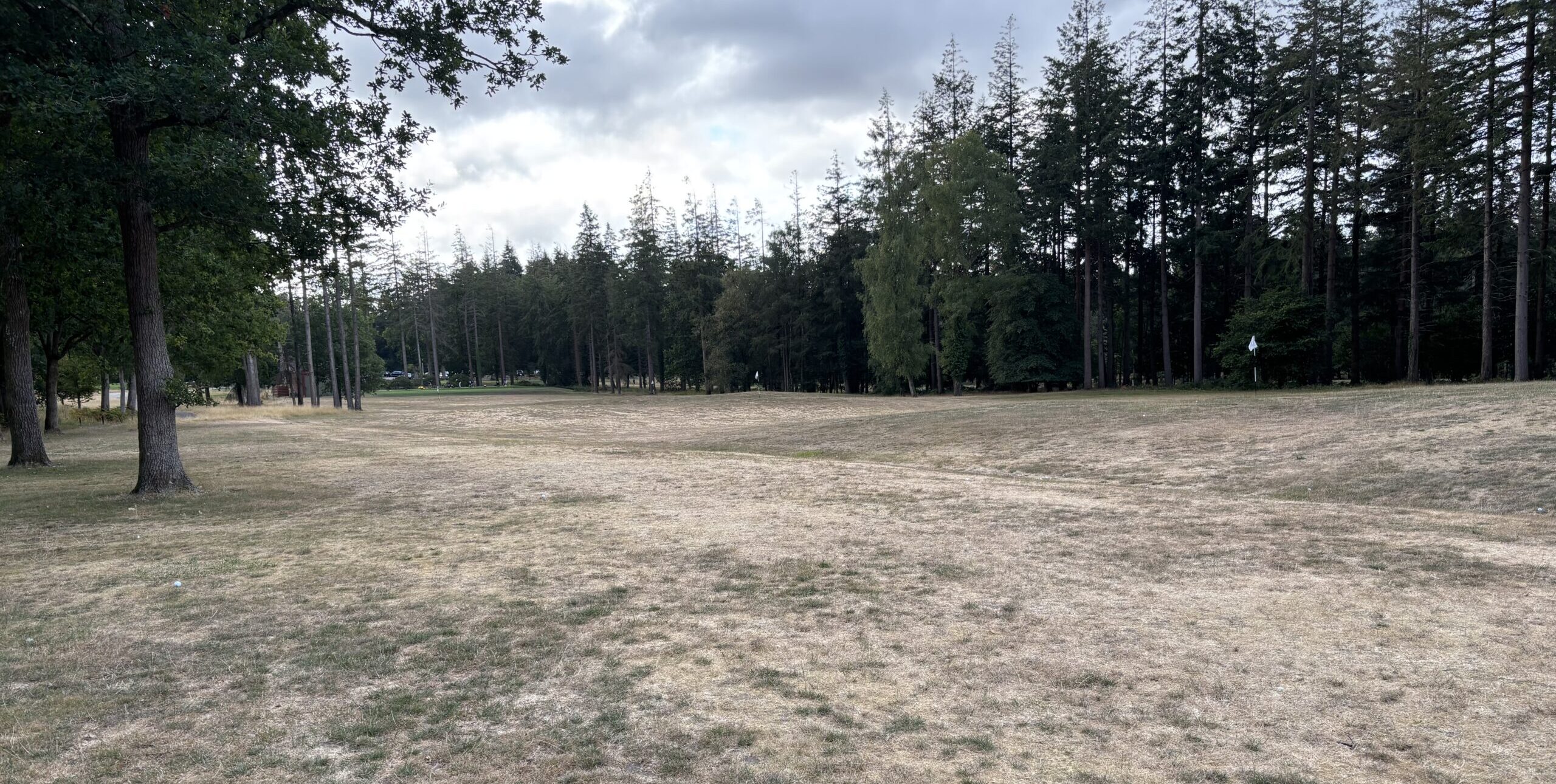
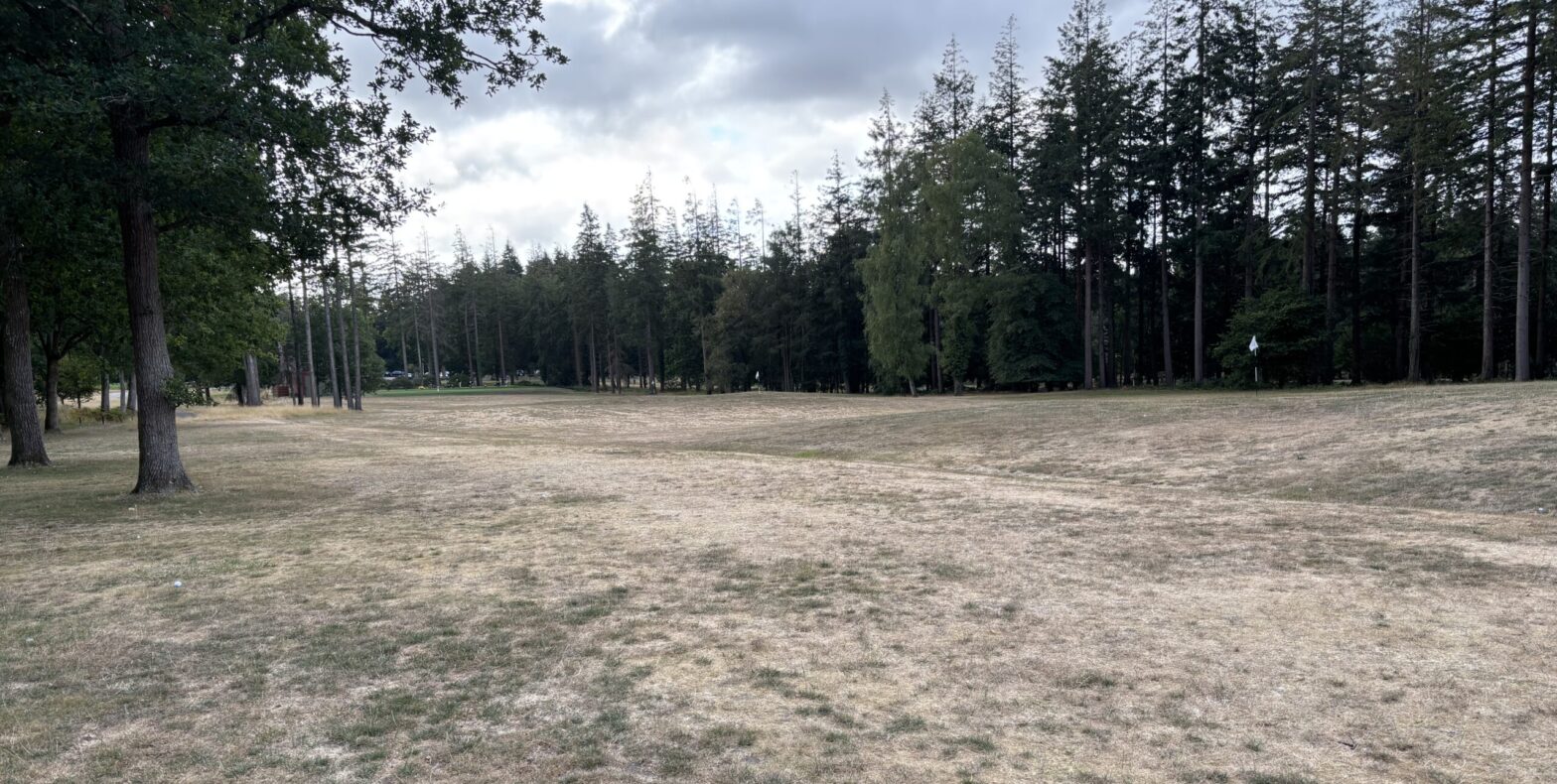
Data on seed sales in the UK and European sports turf and amenity markets shows that sales have been increasing significantly in recent years. It’s a clear indication of the increase in renovations required each season; looking at the conditions we have faced over the last decade, it is hardly a surprise. Summer drought is no longer an occasional disruption – it’s a recurring pressure that is reshaping renovation work. The scale, complexity, and cost of programmes have increased.
What drought is doing to your renovation programme
The most immediate impact is one of scale. In severe years, drought doesn’t just thin worn areas – it can cause widespread turf loss. This elevates a straightforward overseeding plan into a full-scale recovery programme, driving up both disruption and costs.
Beyond the visible loss of cover, drought sets off a chain of challenges that make recovery harder:
- Increased hydrophobicity in the rootzone, making consistent germination harder across the profile
- Greater weed incursion into open ground while the sward is trying to establish
- Greater levels of seedling blight and disease
Individually these are manageable. Together, they demand a more structured, proactive approach than historically needed. It’s also been compounded by fewer options available for managing weeds in newly established turf.
Hydrophobicity: the hidden enemy of germination
A rootzone coming out of drought is a very different growing environment from one that has stayed moist through the season. Prolonged dry conditions can drive significant hydrophobicity deep into the profile – and a hydrophobic rootzone does not support even germination, regardless of how much seed goes down.
The issue is not simply “lack of water.” It’s where water goes once it’s available.
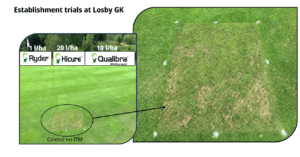
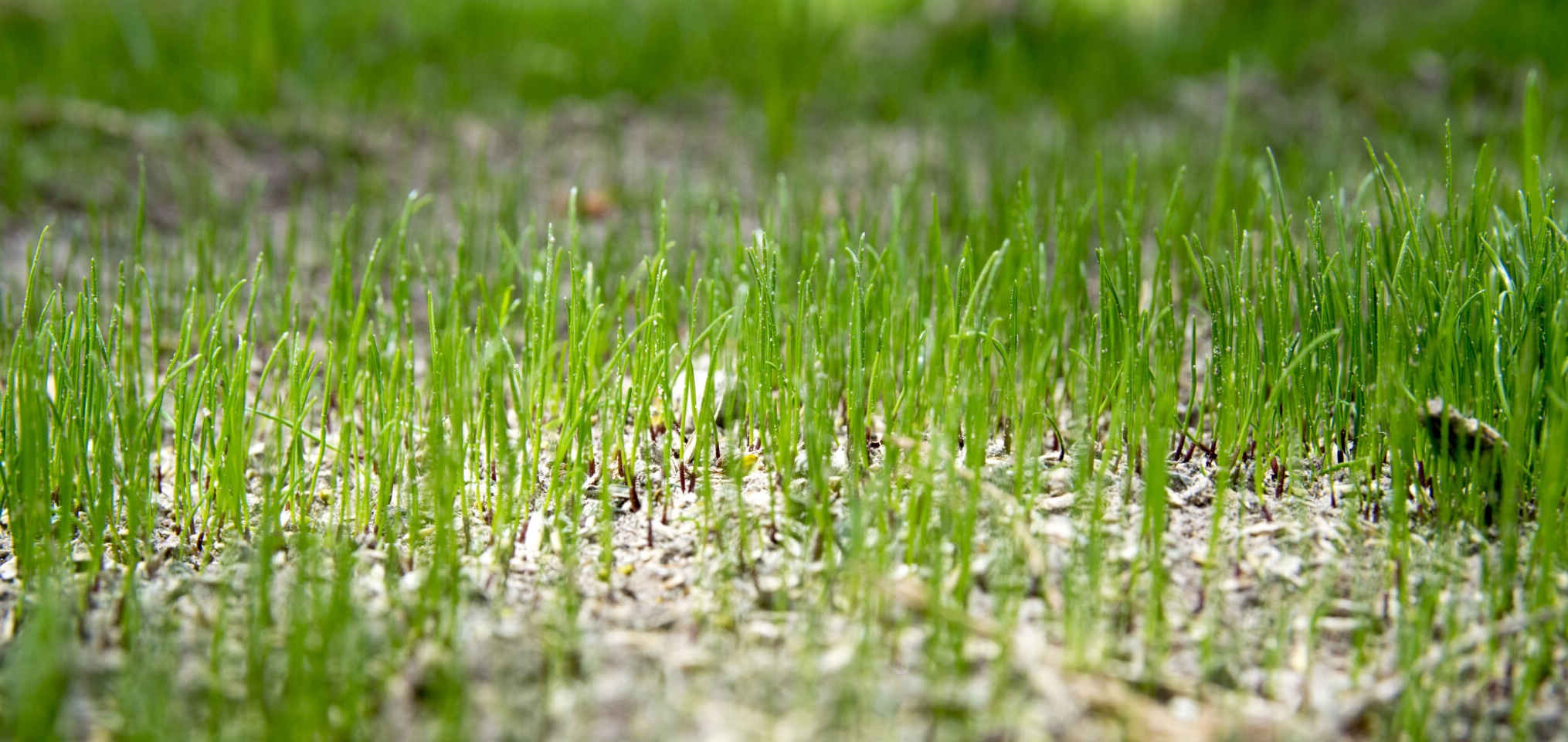
A good wetting agent is essential for even moisture distribution this leads to uniform germination and establishment as shown in this trial.
Wetting agents are the key to unlocking the profile and allowing moisture to penetrate, to help encourage even establishment
But not all wetting agents are equal, some may actually make your life harder when it comes to establishmen.
When moisture sits at the surface
If most moisture is held in the top layer, the germination environment becomes shallow and unstable:
- Seedlings root shallowly because there is no incentive to chase water downward
- Conditions can favour undesirable species, such as Poa, over the sown grasses
- The risk of damping-off and blight risk increases as the wet surface layer supports fungal activity, particularly if seeding is followed by a wet, mild autumn
When moisture moves through too quickly
If water moves rapidly through the profile:
- Establishment becomes poor and uneven
- Seedlings effectively run out of water before roots can access consistent moisture
- If the seed dries after initially absorbing moisture germination can fail
The target—especially on drought-affected ground—is even moisture distribution through the profile, not peaks and troughs at the surface or rapid bypass to depth.
https://greencastadvisory.com/blog/fairway-wetting-agent-trial-may-results-why-the-data-matters/
Qualibra germination trial data
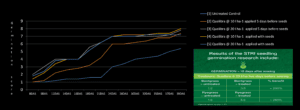
Qualibra trials carried out at STRI demonstrate the benefits of applying the product before or at the point of sowing, showing a dramatic improvement in establishment over untreated controls.
What makes Qualibra such an effective wetting agent for overseeding is how evenly it distributes moisture through the profile – not only horizontally across an area, but also at depth.
Key takeaway
If you want to get the most out of your seed, start by making the rootzone behave predictably. In drought-affected conditions, establishment success is often decided less by seed rate and more by whether you can maintain even, stable moisture through the profile from sowing onward.
Coming in Part 2
Part 2 will look at the additional levers that help maximise renovation return once moisture is under control—how growth regulators can support establishment, how to stay ahead of seedling disease risk, and how to manage weed pressure in establishing swards.