


Start with forecasting and planning
Preparation should include keeping an eye on the Smith-Kerns model, getting all your integrated practices in place and being ready to apply a preventative fungicide, if that’s your method of choice.
The key is being able to act when pressure starts to build, not once symptoms appear. Having fungicide on site and a plan agreed in advance takes the guess work out of it.

Get the team monitoring
Alongside the model, make sure the team is ready to spot the early “tell-tale” signs. That means:
- watching for the first spots,
- monitoring indicator greens carefully,
- and recording where and when issues start.
This kind of monitoring can become a highly personalised early-warning system for your course, and can be localised to individual greens. Over time, it helps you build a more integrated strategy and identify the areas where you may want to focus extra attention – such as early targeted rolling.
Use cultural practices to buy time
As pressure builds, you may want to concentrate on stress mitigation and cultural practices such as biostimulant stress relief programmes, rolling and dew removal. This can be an effective way to raise the level of pressure you can tolerate before you hit your threshold of acceptable risk – at which point you decide a fungicide is needed.
A Smith -Kerns 20% risk value is often given as the point where you might want to consider a preventative fungicide. However, the evidence behind this sits mainly around work carried out in the US.
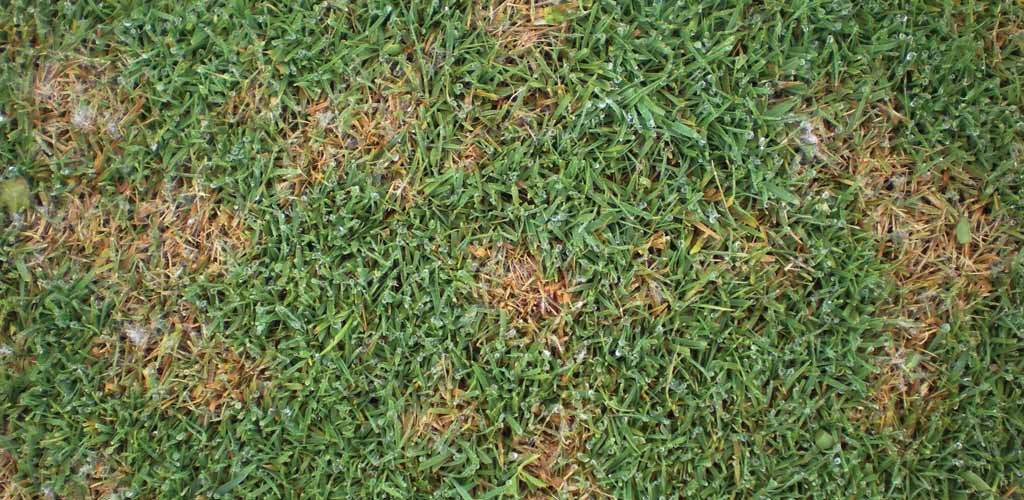
While it’s a useful place to start, some turf managers in the UK may see disease damage before that threshold. That’s why tracking when you first see scarring is so valuable – it helps you refine your own trigger points based on real site performance.
The aim is simple: stay informed, monitor closely, manage stress, and be ready to act. That’s how you keep disease pressure from turning into scarring – and keep surfaces performing consistently as the season ramps up.