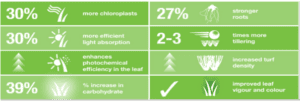





It feels like we’ve jumped straight from a soggy winter into a spring dry-down, with irrigation systems already working hard. If you haven’t already done so, now is the perfect time to get your Primo Maxx II programme moving. It’s not just about slowing growth—it’s about building resilience. By reducing water loss through the leaves and shifting the plant’s energy into the roots, you’re “priming” your turf for the summer heat before the real stress hits.
Spring Dry-Down: Why now is the time to start your Primo Maxx II Programme
We all know how vital water is to turf. While plants are composed mostly of water, only about 3% is used for metabolic processes, the rest is lost through transpiration.
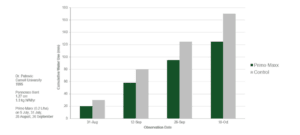
With irrigation systems already in full swing across the country, it is clear that the ‘Spring dry-down’ has arrived. Research shows that water lost through transpiration is reduced with the use of Primo Maxx.
Focusing on the roots
The real magic happens beneath the surface. By temporarily blocking gibberellic acid, Primo Maxx II redirects the plant’s energy away from vertical growth and towards root and lateral development.
Precision timing with GDD
To get the best results and avoid the rebound effect (where the plant produces a flush of unwanted growth as regulation wears off) timing is everything. The Growing Degree Day (GDD) model can help plan applications
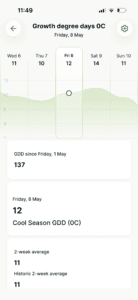
Applying based on a 200 GDD threshold at a base rate of 0 ensures that the product is active when the plant needs it most. The beauty of this model is its flexibility:
- In a cool spring, your application might last 25 days or more.
- During a warm spell, that same 200 GDD might be reached in just 12 to 15 days.
The GDD of 200 at a base of 0C is a good starting point and for many will give the precision performance they want. However, do be prepared to adjust that number so you get exactly the control and consistency that suits your site and your turf. It may turn out to be 180 GDD or even 150, but that’s down to your skill to decide and, once its set, you can be confident in the consistency it delivers.
Using the Turf Advisor app to track these thresholds removes the guesswork, ensuring consistent suppression and avoiding the gaps that lead to uneven growth.
The quest for smoothness
With new technology like the USGA’s GS3 ball now measuring surface smoothness and trueness objectively, the pressure to deliver perfect surfaces is higher than ever. A consistent Primo Maxx programme reduces the variability between different grass cultivars and throughout the day, helping you maintain a great finish from the first tee time to the last.
Whether you’re starting at a lower rate on greens to build sward density or a full rate on fairways to get ahead of the spring flush, timing is everything. Skip the calendar and use the GDD model in the Turf Advisor app to stay on track. This ensures you avoid any “rebound” and keep your surfaces smooth and consistent all day long.
Don’t wait for the growth to catch you out, get your program started now so your turf is rooted and ready for whatever the weather does next.