




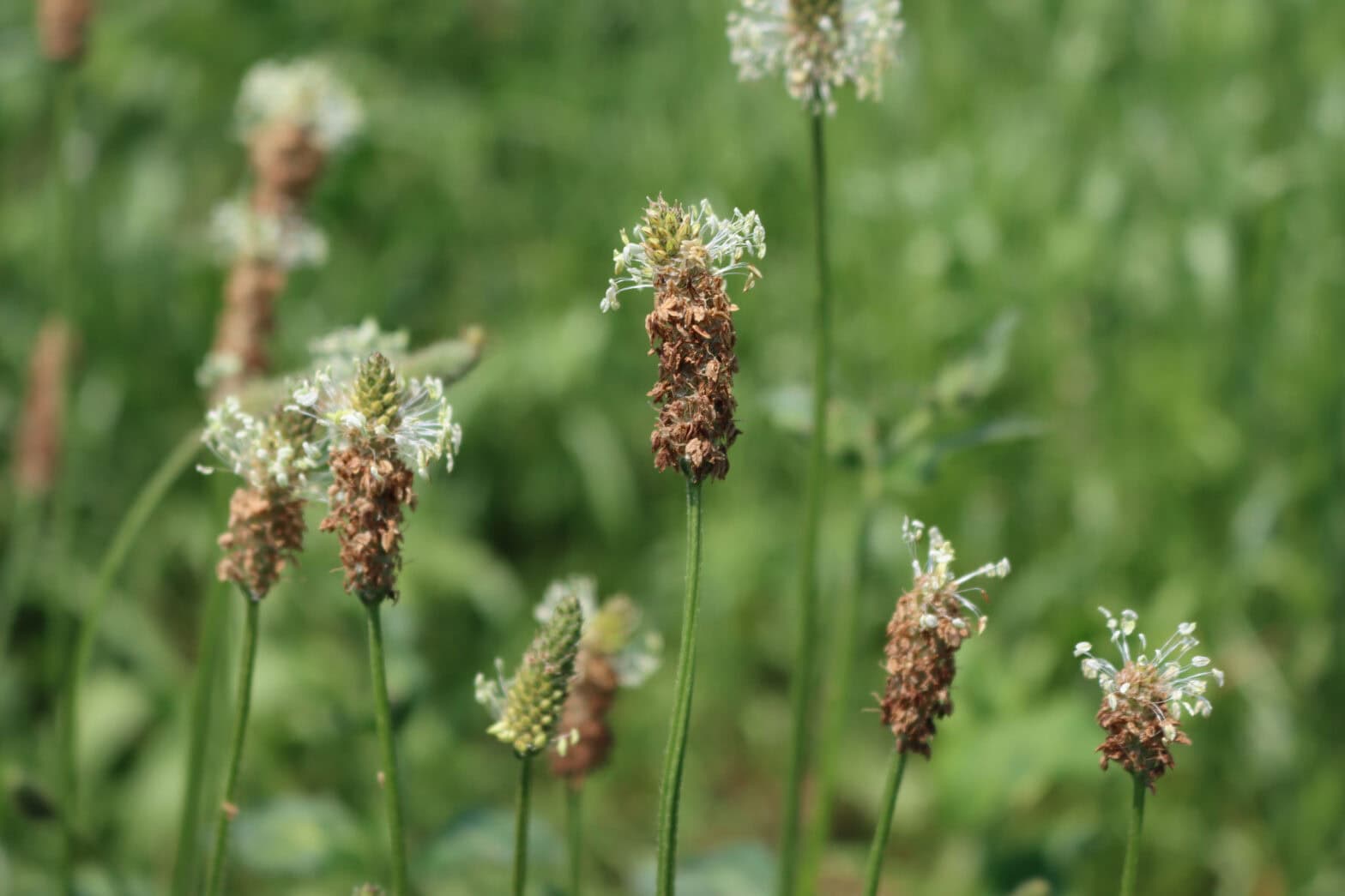
We do appear to be experiencing a real shift from spring to autumn germination patterns, which certainly challenges our traditional spring herbicide timing.
That’s been extremely apparent from last year’s extended dry spell that seriously weakened turf, and the subsequent mild, wet winter which led to significant weed establishment during autumn and winter.
Weeds are generally most susceptible to herbicides when they are smaller, at lower BBCH (growth) stages, yet where autumn-germinated weeds have continued to establish through winter, we’re now treating larger and more difficult to control plants in spring.
Along with traditional spring applications targeted at annual and ephemeral weeds offspring from the previous season, these milder autumns that accelerate germination also present an opportunity for more effective treatment within the same growing season.
Another peril of waiting for a planned spring application is the potential for it to be wet, with warmer wetter seasons giving us plenty of weed growth but less opportunity to treat. On the flipside of the coin some years we’re seeing challenging dry spells earlier where heat and stress might hold us back.
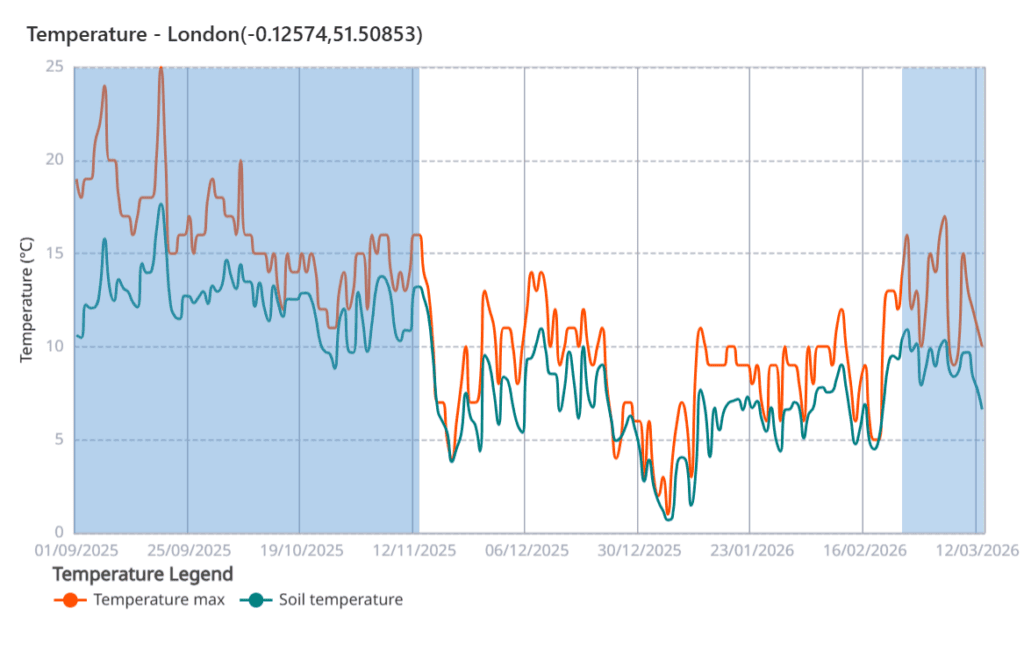
Looking at weather data from last year we can see that temperatures conducive to herbicide application continues up to 12/11 with temperature still conducive to some growth well into December picking up again mid-Jan.
Being Ready to Act
All of this means we need to take a more strategic approach to herbicide application rather than having set dates in the calendar – We need to be ready to move when those early or late seasonal windows that present themselves.
But before we jump in, we need to ask ourselves some crucial questions: Is that growth window substantial enough for an effective kill? – since we need an actively growing weed to take up the herbicide and deliver effective results. If we’re looking at moderate growth periods, we must make sure we are doing absolutely everything we can to maximise the efficacy of our treatments.
We also need to be considering what stage are those weeds at? Is our sprayer calibration and nozzle choice optimising retention of our chosen herbicide on the leaf? And critically, are we using our weather tools to ensure there’s adequate drying time?
Using the Tools Available
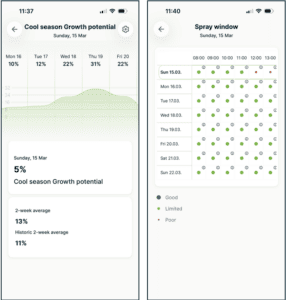
This is where Turf Advisor really comes into its own. Giving us those vital insights into soil temperature, growth potential, and spray windows to help optimise our applications. Looking ahead at forecasts, we’re not just checking for rain – we’re making sure that the growth potential window is long enough for our treatments to do their job.
If product choice accounts for half our success, then timing and application technique make up the other half. Syngenta Art of Application videos and the Syngenta spray calculator are great tools to ensure you are set up to deliver the highest level of efficacy from your application.
https://turf.syngentaturflandscape.com/en-gb/welcome-art-application
The Challenge Ahead
Although shifting weather patterns might offer us some useful opportunities, it’s not all a good news story when it comes to weed control. Severe drought conditions and waterlogging both weaken and reduce grass density, allowing easier access for weed seeds to reach soil – and less competition to their establishment. This is where we have to look at the situation from an integrated management approach. The key goal is to maintain cover and reduce space for weeds to establish. To achieve this, it’s important to identify areas of weakness and build programs to combat this.
Managing problem areas with ITM strategies
Map out your course to identify areas of weakness and potential weed invasion threats.

Buffer zones and roughs often act as weed reservoirs, the surrounding areas around are more susceptible to weeds encroaching, so how can we look at reducing this? Potentially a slightly higher rate of feed to increase sward density, or using held knapsacks to reduce buffer zones, or maybe this area receives an extra herbicide application to reduce spread into other areas of the course
We need to identify areas of high wear and look at redistributing foot traffic if possible. Where that’s not an option, look to increase wear tolerance with higher fertiliser rates, Primo Maxx II applications, more aeration and overseeding. Applications of wetting agent to fairways that dry down quicker might help too.
None of these are going to replace the need to control weeds, but they might just help to ease some of the extra difficulties that a shifting climate throws at us.